Slow drains, foul odors, gurgling pipes, and backed-up sinks are more than annoying. They usually mean buildup, blockage, or a larger sewer line issue that needs professional attention. Mr. Plumber provides drain cleaning in San Antonio, TX, with solutions for everything from simple sink clogs to stubborn main sewer line blockages. Whether you found us searching for drain cleaning San Antonio, drain cleaning San Antonio TX, or drain cleaning near me, you need a plumber who can diagnose the problem clearly, explain your options, and get water flowing again without surprises.
Our team handles clogged kitchen drains, shower and tub drains, bathroom sinks, toilets, floor drains, laundry drains, and main sewer lines. We also offer hydro jetting, camera inspection, and follow-up recommendations when a basic cleaning will not fully solve the issue. If your home has recurring clogs, backed-up drains, or signs of sewer trouble, we are ready with professional service, financing options, available specials, and a 100% satisfaction guarantee.
Expert Drain Cleaning in San Antonio
Drain problems rarely fix themselves. In most cases, the blockage keeps building until water slows to a trickle or backs up into your fixtures. Grease, hair, soap scum, food waste, paper products, hard water scale, sludge, and tree roots can all restrict your plumbing system over time. Some clogs stay isolated to one drain. Others affect multiple fixtures and point to a bigger problem in the main sewer line.
That is why professional drain cleaning matters. A surface-level fix might poke a small opening through the clog, but it often leaves debris stuck to the pipe walls. Our goal is not just to poke a hole through the blockage. We work to remove buildup, restore water flow, and help reduce the chance of the clog coming back right away.
Signs You Need Drain Cleaning
Many homeowners wait too long because the first warning signs seem minor. A slow-moving drain today can turn into a backed-up sink, overflowing toilet, or sewage problem tomorrow. Call for drain cleaning service if you notice any of these issues:
- Slow draining sinks, tubs, or showers
- Water backing up into another fixture
- Gurgling sounds from drains or toilets
- Bad smells coming from drains
- Standing water around a floor drain
- Recurring clogs that keep returning
- Toilet bubbling when another fixture runs
- Sewage odors inside or outside the home
- More than one drain clogging at the same time
If multiple drains are acting up, the issue may be deeper in the drain or sewer line. That is usually the point where a store product, plunger, or handheld snake stops being enough.

What Causes Drain Clogs?
Most drain clogs build gradually. Day after day, residue collects on the inside of the pipe until water can no longer move through freely. The exact cause depends on the fixture and the age of the plumbing system.
Common kitchen drain clog causes
Kitchen drains often clog because of grease, oil, fat, food scraps, coffee grounds, soap residue, and starches that thicken inside the line. Garbage disposals help with some waste, but they do not make drain problems disappear. Fibrous foods, pasta, rice, eggshells, and grease can still create major blockage.
Common bathroom drain clog causes
Bathroom sinks, tubs, and showers usually clog from hair, soap scum, toothpaste residue, hygiene products, and mineral buildup from hard water. These clogs often start small, then trap more debris over time.
Main sewer line clog causes
Main sewer line problems are often linked to tree roots, shifting pipes, cracked lines, heavy paper buildup, flushable wipes, grease, scale, or old deteriorating piping. When the main sewer line is restricted, you may see water backing up at the lowest drain in the home or multiple fixtures clogging together.
Why Plumbers Recommend Avoiding Chemical Drain Cleaners
Many homeowners reach for chemical drain cleaner first because it seems fast and cheap. Usually it is neither. These products may burn through a small portion of a clog, but they often leave much of the blockage behind. Repeated use can also be rough on older pipes, metal components, and certain types of plumbing connections.
Chemical cleaners can create more problems for the next person working on the line too. If the product sits in standing water, a plumber may have to handle caustic chemicals during service. That is one of the reasons plumbers often say not to use drain cleaner. Mechanical cleaning and water-based methods are typically safer and far more effective for real drain problems.
Our Drain Cleaning Methods
There is no single method that works for every clog. The right solution depends on where the blockage is, what caused it, how severe it is, and whether the pipe has damage.
Snaking and augering
For many localized clogs, a professional drain snake or auger can break through and remove the obstruction. This works well for bathroom sinks, tubs, showers, toilets, and some branch lines. It is often the best first step for a straightforward clogged drain.
Motorized drain cleaning
Tougher blockages sometimes need more power. Motorized equipment can travel farther into the line and cut through stubborn debris more effectively than a small handheld tool.
Hydro jetting
Hydro jetting uses high-pressure water to scour the inside of the pipe and wash away grease, sludge, soap buildup, and other debris. It is one of the best options for recurring clogs, heavy buildup, and certain sewer or drain line cleaning jobs. Hydro jetting can be especially useful when snaking opens the line but leaves residue behind.
Camera inspection
If the clog keeps returning, a camera inspection may be the smartest next step. A sewer camera allows us to look inside the pipe and identify roots, cracks, bellies, offsets, heavy scale, or damaged sections that cleaning alone will not fix.
Can You Do Hydro Jetting Yourself?
Not safely, and usually not effectively. Hydro jetting equipment uses powerful water pressure that can damage certain pipes, worsen weak spots, or cause injury if handled incorrectly. It also takes training to choose the right pressure, nozzle, and approach for the condition of the line. This is not a weekend hardware-store project. If hydro jetting is the right solution, it should be performed by a trained professional who understands pipe condition and drain system layout. Humanity remains very committed to turning specialized equipment into a DIY crisis, but this is a bad place to experiment.
How Much Does Drain Cleaning Cost in San Antonio?
One of the biggest questions customers ask is cost. The honest answer is that drain cleaning prices vary based on the type of clog, the fixture involved, how accessible the line is, and what equipment is needed. A simple sink or tub clog usually costs less than a main sewer line blockage or a hydro jetting job.
In many cases, basic drain cleaning starts at a promotional or entry-level price, while the final cost depends on what the plumber finds after diagnosis. Factors that can affect the price include:
- Which drain is clogged
- Whether one fixture or multiple fixtures are affected
- How deep the blockage is in the line
- Whether the line needs snaking or hydro jetting
- Whether a camera inspection is needed
- The condition and age of the pipe
- Whether roots, scale, or damage are involved
- Time of day and urgency of service
In general, a simple clogged drain may cost much less than a complex sewer line cleaning. That is why transparent diagnosis matters. At Mr. Plumber, we explain the issue, review the recommended solution, and go over pricing before work begins so you know what to expect.
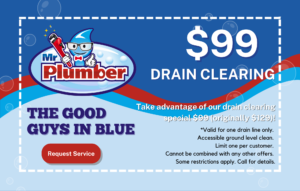
Are $99 Drain Cleaning Specials a Good Deal?
A low advertised price can be helpful, but it is smart to look at what is actually included. Some drain cleaning specials cover only a very basic attempt on one accessible drain. Others may not include clearing a toilet, main line, roof vent access, hydro jetting, camera inspection, or extensive cable work. In some cases, the advertised price is really just a starting point.
The better question is not whether a cheap special exists. It is whether the service solves the problem. If a low-price visit leaves buildup behind, does not address the cause, or turns into repeated service calls, it may not be a good value. The best drain cleaning deal is one that gives you a clear diagnosis, quality work, fair pricing, and confidence that the clog was handled correctly.
What to Expect During Your Drain Cleaning Visit
When you call Mr. Plumber for drain cleaning San Antonio homeowners can trust, the process is straightforward:
- We inspect the symptoms and ask what you have noticed.
- We identify whether the problem appears isolated or part of a larger drain or sewer issue.
- We recommend the right cleaning method based on the condition of the line.
- We explain the work and review pricing before service begins.
- We clear the blockage and test drainage.
- If needed, we recommend camera inspection, hydro jetting, or repair for long-term results.
- We clean up the work area and make sure you understand any next steps.
That matters because customers are not just paying to unclog a drain. They are paying for a plumber who can diagnose the issue properly, protect the plumbing system, and help prevent repeat problems.
Same-Day Drain Cleaning for Urgent Problems
Some drain issues can wait a day or two. Some cannot. If sewage is backing up, a toilet is overflowing, or several fixtures have stopped draining, you need service fast. Mr. Plumber helps San Antonio homeowners address urgent drain problems before they cause bigger plumbing damage, water damage, odors, or sanitation concerns.
If you are dealing with a backed-up drain, a slow-draining line that is getting worse, or signs of a main sewer line problem, contact us as soon as possible. Fast action can help limit damage and reduce the chance of more extensive repair.
When Drain Cleaning Is Not Enough
Drain cleaning removes clogs and buildup. It does not repair broken pipe. If we find cracks, severe corrosion, collapsed sections, root intrusion, or a misaligned sewer line, you may need drain or sewer line repair. Cleaning is often the first step because it allows us to restore flow and inspect the condition of the pipe. From there, we can recommend the most practical next step.
This is also where a camera inspection becomes valuable. Instead of guessing, we can show you what is happening inside the line and explain whether the problem is buildup, roots, damage, or a combination of issues.
Why Homeowners Choose Mr. Plumber
When you need drain cleaning near me, you are not just looking for any plumber. You are looking for a company that respects your time, explains the work clearly, and stands behind the service. Mr. Plumber has served San Antonio for decades with professional plumbing services designed to solve problems, not create new ones.
- Experienced local plumbers
- Professional drain cleaning for common and complex clogs
- Hydro jetting and camera inspection when needed
- Help for kitchen, bathroom, laundry, and sewer drain problems
- Specials available for added value
- Financing options for qualified customers
- Shield of Protection membership options
- 100% satisfaction guarantee
- Trusted service backed by customer reviews
If your drains are slow, clogged, backed up, or showing signs of a larger sewer issue, do not wait for the problem to spread. Mr. Plumber is ready to help restore safe, reliable drainage in your home.
Schedule Drain Cleaning Service in San Antonio Today
Whether you need help with one clogged sink or a main sewer line problem, Mr. Plumber provides professional drain cleaning services in San Antonio with practical solutions and honest recommendations. We will identify the issue, explain your options, and help you choose the right fix for your home and budget.
Check out our current specials, ask about financing options, and schedule service today. If you want a plumber who can unclog the line, clean the pipe, and help you avoid repeat plumbing problems, Mr. Plumber is ready.
Drain Cleaning FAQs
What is the average cost to unclog a drain?
The average cost depends on the location of the clog and the method needed to remove it. A simple sink, tub, or shower clog usually costs less than clearing a toilet, main sewer line, or heavy blockage that requires hydro jetting or camera inspection. The best way to price a drain cleaning correctly is to diagnose the line first and then match the right solution to the problem.
How much should drain cleaning cost in San Antonio?
Drain cleaning cost in San Antonio varies based on accessibility, severity, and whether the issue affects one drain or the larger sewer system. Some services start with a promotional price for a basic clog, while more involved work costs more because it requires specialized tools, more time, or additional inspection. Ask what is included so you can compare value, not just the advertised number.
Why do plumbers say not to use drain cleaner?
Most chemical drain cleaners only burn through part of a clog. They often leave buildup behind and can be rough on older pipes and fittings. They also create safety concerns if a plumber has to work on the drain afterward. Professional cleaning is usually safer and more effective.
Can I do hydro jetting myself?
Hydro jetting should be left to a professional. The equipment uses high-pressure water that can damage weak or aging pipes if it is not handled correctly. A trained plumber can determine whether hydro jetting is appropriate and use the right pressure for the condition of the line.
When do I need a camera inspection instead of basic drain cleaning?
A camera inspection is helpful when clogs keep coming back, multiple fixtures are affected, or there are signs of sewer line trouble. It can reveal roots, cracks, sagging pipe, scale buildup, or other issues that basic cleaning alone will not solve.
What is the difference between drain cleaning and drain repair?
Drain cleaning removes buildup and blockages inside the pipe so water can move again. Drain repair fixes damage to the pipe itself, such as cracks, separation, corrosion, or collapse. Cleaning restores flow. Repair restores the structure of the plumbing line.
What are signs of a main sewer line clog?
Common signs include several drains clogging at once, toilets bubbling when sinks or tubs drain, sewage smells, water backing up in the lowest drain in the home, or repeated drain problems that do not stay fixed. These symptoms often point to a larger issue in the main sewer line.
How long does drain cleaning take?
Many standard drain cleaning jobs can be completed in a single visit, but the exact time depends on the drain location, the severity of the blockage, and whether added services like camera inspection or hydro jetting are needed. A simple localized clog is usually faster than a sewer line issue.
What is the 1/4-inch-per-foot rule in plumbing?
This common plumbing guideline refers to drain pipe slope. Many drain lines should slope about 1/4 inch per foot so wastewater moves through the pipe properly. If the slope is too flat, waste may sit in the line. If it is too steep, water may outrun solids. Proper slope helps keep drains working as intended.
How can I help prevent future drain clogs?
Avoid pouring grease down kitchen drains, use drain screens where appropriate, keep hair and hygiene products out of bathroom drains, and be careful with what gets flushed. If your home has recurring drain problems, periodic inspection or professional cleaning may help catch buildup before it becomes a blockage.