Your sewer system works quietly in the background until something goes wrong. When it does, the signs can show up fast. Slow drains, backed-up fixtures, sewage odors, soggy spots in the yard, and gurgling sounds often point to a problem in the main sewer line. Because most of that piping is buried underground, the issue is not always obvious from inside the home. That is why professional sewer inspection matters.
Mr. Plumber provides sewer inspection, sewer camera inspection, sewer cleanout service, sewer line cleaning, and sewer line repair in San Antonio, TX. Our team helps homeowners find the source of sewer line issues without unnecessary guesswork. Whether you are dealing with recurring drain problems, suspect root intrusion, need a sewer scope before buying a home, or want answers before sewer damage gets worse, we can inspect the line, explain what we find, and recommend the right next step.
We work with homeowners who need fast answers, landlords managing plumbing issues, and buyers or sellers who want a clear picture of the sewer pipe condition before closing. If you searched for sewer inspection, sewer line cleaning near me, sewer cleanout service, or sewer camera inspection companies near me, you are in the right place. You need a plumber who can show you what is happening inside the pipe and help you act before a hidden problem turns into a major repair.
Sewer Line Inspections in San Antonio
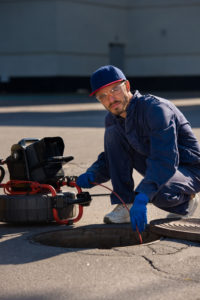
Your plumbing system extends far beyond the fixtures inside your home. Sewer lines run beneath your property and connect to the city main, which makes problems difficult to detect without the right equipment. When sewer issues develop, identifying the source quickly can help limit damage to flooring, walls, foundations, and the surrounding yard.
A blocked or backed-up sewer line can cause slow drains, gurgling sounds, standing water, and unpleasant drain odors throughout the home. Left unresolved, sewer problems can lead to wastewater backups, contamination, and expensive cleanup. Mr. Plumber provides sewer camera inspections to locate problems inside the sewer line without unnecessary digging. This process uses a specialized camera inserted through an existing access point so our plumbers can inspect the inside of the pipe in real time and identify the exact cause of the problem before recommending repair, cleaning, or replacement.
What a Sewer Inspection Helps Identify
A sewer camera inspection can reveal much more than a basic drain test. Instead of guessing, our plumbers can inspect the interior of the line and pinpoint where the problem starts, how severe it is, and whether cleaning alone is likely to solve it. Common sewer line issues include:
- Heavy blockages from paper, grease, sludge, or debris
- Root intrusion from nearby trees and landscaping
- Cracked sewer pipe sections
- Corroded or deteriorating pipe walls
- Collapsed or offset pipe joints
- Bellied sewer lines where water and waste collect
- Recurring backups caused by partial restrictions
- Leaks and joint failures
This matters because the right solution depends on the actual condition of the line. A simple clog may only need sewer line cleaning. A root problem may need cutting and follow-up repair. A damaged pipe may need targeted sewer line repair or full replacement. Without a camera inspection, it is easy to treat the symptom and miss the real cause.
What Does a Sewer Inspection Consist Of?
A sewer inspection is a non-invasive diagnostic service that allows a plumber to inspect the inside of the sewer pipe using a specialized waterproof camera. In most cases, the camera is fed into the line through a sewer cleanout, which is an access point designed for inspection and maintenance. If a cleanout is not available or usable, we will explain the best access option for your home.
During the inspection, our plumber watches the live video feed, checks the condition of the pipe walls, identifies any blockage or damage, and tracks the location of the problem. This helps us determine whether you need sewer cleaning, spot repair, pipe lining, or full replacement. It also helps homeowners understand exactly why drains are slow or why backups keep happening.
Video inspection is especially useful when the problem is intermittent. Plenty of sewer issues do not cause a full stoppage every day. Sometimes the line partially drains, then backs up again under heavier use. That is the kind of nonsense hidden underground systems love to pull.
What Is a Sewer Cleanout?
A sewer cleanout is a capped access point that connects directly to your main sewer line. It gives plumbers a direct way to inspect, snake, or hydro-jet the line without removing a toilet or working through an indoor drain opening. Cleanouts are often located outside near the foundation, in the yard, or sometimes in another accessible area depending on the property layout.
Cleanouts are important because they make sewer service faster, cleaner, and more effective. If your home has a proper sewer cleanout, it can simplify sewer camera inspection and sewer line cleaning. If your home does not have one, installing a cleanout may be recommended, especially if you have recurring sewer problems or older plumbing that needs ongoing access.
Do You Need Sewer Cleanout Service?
You may need sewer cleanout service if your existing cleanout is damaged, missing, buried, inaccessible, or if your property does not have one at all. Homes with recurring sewer backups often benefit from a cleanout because it gives plumbers a reliable access point for future inspections and cleaning. It can also help reduce labor and disruption during emergency service.
Cleanout service may include locating the access point, exposing it safely, repairing the cap or fitting, or installing a new cleanout where practical. If we find that your system would be easier to maintain with a proper access point, we will explain the options clearly.
Common Sewer Cleaning Services
Once an inspection identifies the issue, the next step is choosing the right cleaning method. Sewer line cleaning is not one-size-fits-all. A soft blockage is different from root intrusion. A line packed with grease needs a different approach than a line with scale buildup or standing water.
Mechanical sewer snaking
A professional sewer snake or auger can break through many clogs and restore flow. This is often effective for paper buildup, sludge, and localized obstructions in the main sewer line.
Root cutting
If tree roots have entered the sewer pipe, specialized equipment may be used to cut through the intrusion and reopen the line. In many cases, this restores flow, but the pipe may still need repair if roots entered through a crack or separated joint.
Hydro-jetting
Hydro-jetting uses high-pressure water to scour the interior of the sewer line and remove grease, sludge, debris, and some root residue. It is often one of the best options for recurring blockages and heavy buildup because it cleans the pipe walls more thoroughly than simply punching a hole through the clog.
Follow-up inspection
After cleaning, a camera inspection may be used again to confirm the line is clear and to check whether pipe damage remains. This helps separate a cleaning issue from a repair issue.
How Often Should Sewer Pipes Be Cleaned?
There is no single schedule that fits every home. Some sewer lines go years without trouble. Others need more frequent attention because of mature trees, older piping, grease buildup, heavy use, or a history of backups. If your home has had recurring sewer line issues, periodic cleaning may help reduce the risk of another emergency.
Homes with root intrusion or frequent main line clogs may benefit from a regular maintenance plan. If your sewer line has been backing up, slow-draining, or showing signs of buildup, it is worth asking whether preventive cleaning makes sense for your property. It is usually cheaper to maintain a line than to clean up sewage inside the house. A depressingly low bar, but still true.
Signs You May Need a Sewer Camera Inspection
Not every plumbing problem starts in the sewer line, but some warning signs strongly suggest the issue is deeper than one fixture. Schedule sewer inspection service if you notice:
- Multiple drains slowing down at the same time
- Toilets bubbling when sinks or tubs drain
- Recurring clogs that keep coming back
- Water backing up into a tub or shower when the toilet flushes
- Sewage odors in the house or yard
- Wet patches in the lawn near the sewer route
- A history of older sewer pipe or previous line repair
- Concerns before buying or selling a home
If several fixtures are involved, the issue may be in the main sewer line rather than an isolated branch drain. That is where a sewer scope inspection can save time and prevent guesswork.
Benefits of Sewer Camera Inspections
Sewer camera inspections give homeowners clarity. Instead of assuming the line needs replacement or repeatedly paying for temporary drain clearing, you get visual evidence of what is happening inside the pipe. The main benefits include:
- Locating the exact source of the problem
- Reducing unnecessary excavation
- Helping determine whether cleaning, repair, or replacement is best
- Identifying hidden root intrusion or corrosion
- Supporting home purchase due diligence
- Providing a more accurate repair recommendation
That makes sewer camera inspections worth it for many homeowners, especially when the alternative is repeated backups, guess-based repairs, or digging in the wrong place.
Sewer Line Repair Options After Inspection
After a sewer inspection, repair recommendations depend on the condition of the line. If the damage is isolated, a targeted sewer line repair may be enough. If the line has widespread failure, replacement may be more practical.
Spot repair
If one section of pipe is cracked, offset, or invaded by roots, targeted repair may solve the issue without replacing the entire line.
Pipe lining
In some situations, trenchless pipe lining may be an option. This approach creates a new interior lining inside the existing pipe to restore flow and reduce leaks without full excavation. It can be useful when the pipe structure is compromised but still suitable for lining.
Full sewer line replacement
If the line has collapsed, deteriorated heavily, or failed in multiple areas, full replacement may be the better long-term investment. Our plumbers inspect the sewer line, explain what we found, and help you compare repair versus replacement based on condition, longevity, and cost.
Sewer Line Replacement
Sewer lines are built to last for decades, but they are not permanent. Many systems can last 50 to 60 years depending on pipe material, soil conditions, installation quality, and maintenance history. Older materials may fail sooner, especially when corrosion, shifting ground, repeated root intrusion, or previous patchwork repairs are involved.
If replacement is recommended, Mr. Plumber uses current methods and approved materials to complete the job safely and efficiently. We focus on practical recommendations, not inflated panic. If repair makes sense, we will tell you. If replacement is the more reliable option, we will explain why.
How Much Does Sewer Service Cost?
Cost depends on the service you need. A sewer inspection costs less than excavation and replacement. Sewer line cleaning costs less than repairing a damaged pipe. A simple cleanout access issue costs less than a collapsed sewer line under concrete. The final price depends on factors like:
- Whether you need inspection, cleaning, repair, or replacement
- The location and depth of the sewer pipe
- Whether a sewer cleanout already exists
- The severity of blockage or damage
- Whether hydro-jetting or root cutting is needed
- How much pipe is affected
- Property access and surface conditions
The best way to avoid surprise costs is to start with a proper diagnosis. Once we inspect the sewer line, we can explain the issue, the recommended solution, and what is included before work begins.
Will Homeowners Insurance Cover Sewer Line Repair?
Sometimes, but not always. Standard homeowners insurance policies often do not cover normal wear, corrosion, gradual deterioration, or damage caused by long-term neglect. Some policies may provide coverage if the sewer damage is linked to a sudden covered event. Others offer optional service line endorsements that expand protection for underground utility lines.
Coverage varies by policy, so it is important to review your documents and speak with your insurance provider. If you need sewer service now, delaying action while hoping the policy might magically become generous is usually not the winning strategy.
Sewer Services From Mr. Plumber
Sewer line issues can be disruptive, unsanitary, and expensive if left unaddressed. Mr. Plumber has served San Antonio homeowners for decades with sewer line inspections, sewer camera inspections, sewer line cleaning, repairs, and replacements designed to restore proper flow and protect the home.
Customers choose Mr. Plumber because we focus on clear diagnostics, honest recommendations, and practical solutions. We also offer specials, financing options for qualified customers, and our Shield of Protection membership to help manage plumbing costs. Every homeowner wants the same thing here. Fast answers. Clean work. No nonsense. Reasonable options. That should not be revolutionary, yet here we are.
We also stand behind our work with a 100% satisfaction guarantee, and we are proud of the customer reviews that reflect the service experience homeowners expect from a trusted local plumbing company.
Schedule Sewer Line Service in San Antonio
If you are dealing with recurring backups, slow drains throughout the home, suspected root intrusion, or sewer odors, do not wait for the problem to get worse. Mr. Plumber provides sewer inspection and repair services in San Antonio to help homeowners catch sewer line issues early and take the right next step.
Whether you need a sewer camera inspection, sewer cleanout service, sewer line cleaning, or a clear answer about repair versus replacement, contact Mr. Plumber today to schedule service.
Sewer Line FAQs
When do I need a sewer line inspection?
A sewer line inspection is recommended when you notice recurring drain clogs, slow drains throughout the home, sewage odors, gurgling sounds, or water backing up from multiple fixtures. Inspections are also useful before purchasing a home, before listing a home for sale, or after previous sewer repairs.
What does a sewer inspection look like?
A sewer inspection usually involves feeding a specialized camera into the sewer pipe through a cleanout or other access point. The plumber watches a live video feed to inspect the pipe interior, identify blockage or damage, and determine what service is needed next.
Do plumbers do video footage of sewer lines?
Yes. Sewer camera inspections use video equipment designed specifically for underground sewer and drain lines. This allows plumbers to inspect the condition of the pipe and locate issues more accurately than guessing based only on symptoms.
Are sewer cameras worth it?
In many cases, yes. A sewer camera inspection can help avoid unnecessary digging, repeated temporary fixes, and misdiagnosis. It gives a clearer picture of whether the problem is a simple blockage, root intrusion, pipe damage, or a more serious sewer line failure.
What is the difference between sewer line repair and replacement?
Sewer line repair is typically used when damage is limited to a specific section of pipe, such as a crack, root intrusion point, or offset joint. Replacement is considered when damage is widespread, the pipe has collapsed, or the system has reached the end of its service life. A camera inspection helps determine the appropriate option.
What is a sewer cleanout?
A sewer cleanout is a capped access point connected to the main sewer line. It allows plumbers to inspect, snake, or hydro-jet the sewer line more directly and with less disruption than working through an indoor fixture opening.
Do I need a sewer cleanout?
A sewer cleanout is very useful if your home has recurring backups, older plumbing, or frequent need for sewer inspection or cleaning. If your property does not have an accessible cleanout, installing one may make future service faster, cleaner, and more effective.
How do I clean out my sewer line?
Minor issues may seem manageable, but main sewer line cleaning is usually best handled by a professional. Depending on the problem, a plumber may use a sewer snake, root-cutting equipment, or hydro-jetting to clear the line safely. A camera inspection is often the best first step when backups keep returning.
How often should sewer pipes be cleaned?
That depends on the age of the system, nearby trees, prior history of clogs, and the condition of the pipe. Some homes only need service when symptoms appear. Others benefit from periodic preventive cleaning, especially if roots or recurring buildup are an issue.
How long does a sewer line usually last?
The lifespan of a sewer line depends on the pipe material, soil conditions, maintenance, and usage. Many sewer lines last 50 to 60 years, while some older materials may fail sooner. Regular inspection can help identify issues early and extend usable life where possible.