Gas leaks are dangerous and can be difficult to detect without proper equipment. Undetected leaks can lead to fire hazards, gas exposure, or carbon monoxide buildup inside the home. Installing carbon monoxide detectors is an important safety step and can provide early warning if gas-related issues develop.
If you suspect a gas leak, leave the home immediately and contact a licensed professional. The plumbers at Mr. Plumber provide gas line inspections, leak detection, repairs, and post-repair testing to confirm the issue has been addressed.
How Gas Leaks Are Identified
Gas line work must be performed by licensed professionals. During a gas line inspection, our plumbers use approved detection methods to locate leaks safely and accurately.
Electronic combustible gas detectors are often used to identify the presence of gas in the air, especially when the gas meter is accessible. In other situations, plumbers may apply a leak-detection solution to gas line connections. Bubbles forming at a joint indicate escaping gas. Both methods are effective when performed correctly.
Common Causes of Gas Leaks
Gas systems vary by home, appliance type, and installation age. Based on service history in the San Antonio area, gas leaks most commonly occur in the following locations:
- Faulty or aging gas pressure regulators
- Underground gas line risers
- Connections between gas appliances and supply lines
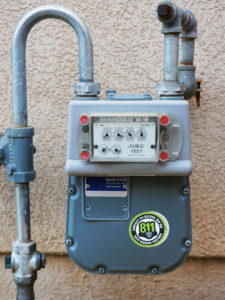
- Corroded or rusted gas meter fittings
- Corrugated stainless steel tubing (CSST) manifolds
- Punctures or damage to CSST piping
Identifying the source of a gas leak early helps reduce safety risks and limits the scope of required repairs.

Gas Line Inspections
Gas line inspections help identify leaks, pressure issues, and material deterioration before they become emergencies. Many homeowners are unaware that licensed plumbers are required to inspect and repair gas lines.
During an inspection, our plumbers may use air testing, odor evaluation, electronic sensors, or visual inspection to assess the condition of the gas system. Findings are explained clearly so you understand what repairs, if any, are needed.
Gas Line Repairs
Gas line damage can occur due to corrosion, aging materials, improper installation, or physical impact. Even small leaks require immediate attention to prevent safety hazards.
Gas line repairs may involve tightening connections, replacing damaged sections of pipe, repairing regulators, or updating outdated materials. After repairs are completed, the system is tested to confirm that the leak has been resolved.
How to Reduce the Risk of Gas Leaks
While not all gas line issues can be prevented, regular inspections and awareness can reduce risk. Homeowners can take the following steps to improve gas safety:
- Visually inspect exposed gas lines for rust or damage
- Schedule routine gas line inspections
- Install and maintain carbon monoxide detectors
- Ensure proper ventilation around gas appliances
- Review gas safety procedures with household members
If you notice gas odors, hissing sounds, or unexplained symptoms such as headaches or dizziness, leave the area and contact a professional immediately.
Gas Line Services From Mr. Plumber
Mr. Plumber has provided gas line inspection and repair services throughout the San Antonio area for decades. Our plumbers work with residential and commercial gas systems and follow applicable safety standards and codes.
We also offer financing options for qualified customers and our Shield of Protection membership to help manage service costs. If you need gas line inspection or repair in San Antonio, contact Mr. Plumber to schedule service.
Gas Line FAQs
What are common signs of a gas leak?
Common signs include the smell of sulfur or rotten eggs, hissing sounds near gas lines, dying vegetation near buried lines, dizziness, or unexplained headaches. If any of these occur, leave the area immediately.
Should I shut off my gas if I suspect a leak?
If it is safe to do so, shutting off the gas at the meter can help reduce risk. Do not attempt repairs yourself—contact a licensed professional once you are safely away from the property.
How often should gas lines be inspected?
Gas lines should be inspected during appliance installation, when issues are suspected, or periodically as part of home maintenance—especially in older homes or properties with aging gas infrastructure.